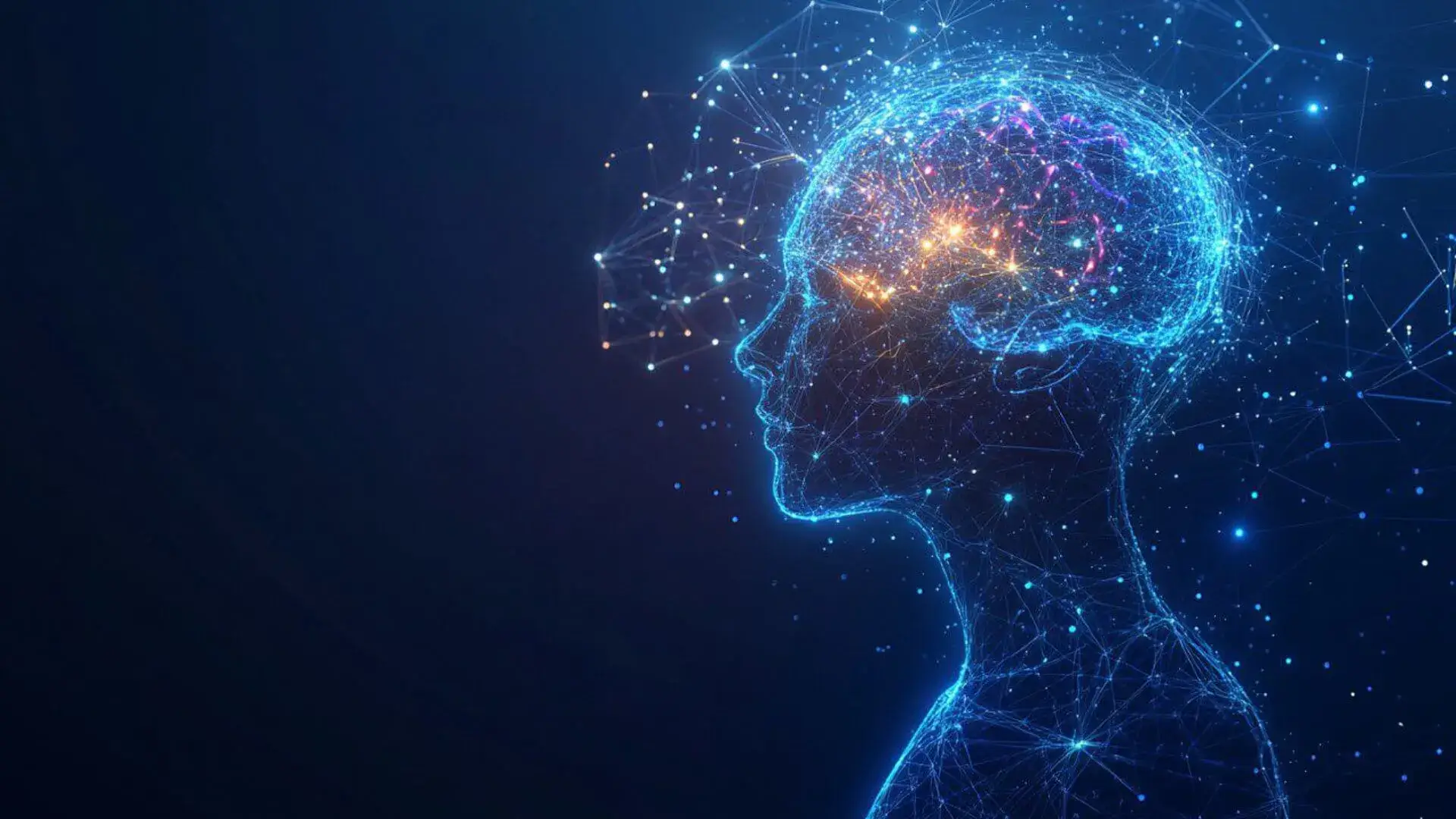
Psychedelics are often spoken about with fascination, caution, or curiosity. For some, they are mysterious substances that change perception; for others, they are profound tools for self-understanding, emotional healing, or spiritual exploration. But when one asks, “what are psychedelics?”, the answer is that, at their core, psychedelics are tools, tools that happen to come in chemical or plant-based form, but whose real impact lies in how they open access to parts of ourselves that may be hidden, forgotten, or difficult to reach. In simple terms, psychedelics are substances that alter perception, emotion, and cognition by temporarily changing how the brain processes information.
Unlike conventional medications, psychedelics do not offer instant or magic solutions. Rather, they create conditions in which clarity, insight, emotional release, or new perspectives become possible. They can bring up patterns we struggle to see, soften rigid beliefs, and help us connect more deeply with ourselves. Sometimes they lead us towards joy; other times towards grief. But in all cases, their power lies in their capacity to reveal what is already within us.
Let us take a look at what psychedelics are, how they work, why they matter, and why so many people today are exploring them for personal growth, therapeutic transformation, and deeper self-connection.
A Variety of Psychedelic Substances
There is no single psychedelic. Instead, there is a wide family of substances, each with its own qualities, duration, and depth of effect. Some are plant-based, some are synthesised in a lab, and each interacts with us in its own way.
Classical Psychedelics
The most recognised psychedelic substances include:
- Psilocybin, naturally occurring in magic mushrooms and truffles.
- LSD (lysergic acid diethylamide), a long-acting, highly visual psychedelic.
- DMT (dimethyltryptamine), a naturally occurring compound found in many plants and used in ayahuasca brews.
- Mescaline, derived from cacti such as huachuma (San Pedro) and peyote.
These substances belong to a group known as serotonergic psychedelics, meaning they act primarily on serotonin receptors that influence mood, perception, and cognition. Comprehensive pharmacological reviews summarise these mechanisms and their implications for effect and safety [1].
Non-classical Psychedelics and Related Medicines
There are also substances that are not technically classical psychedelics but still have significant psychological effects. The most well-known is MDMA, often used therapeutically to support emotional openness, trust, and trauma processing. Clinical pilot studies have demonstrated the potential of MDMA-assisted psychotherapy for treatment-resistant PTSD under careful, controlled conditions [2]. While MDMA is not considered a psychedelic in the strict scientific sense, its capacity to reduce fear responses and increase emotional connection places it within the broader landscape of transformative medicines.
Different Substances, Similar Potential
Each of these substances has its own signature. Some invite introspection and silence; some evoke visuals and symbolic imagery; others feel more embodied or emotionally expressive. But despite their differences, they share a common underlying quality: they allow us to see and feel in new ways, often with a clarity that can be difficult to access in ordinary consciousness.
How Psychedelics Work: Effects on the Mind and Brain
To understand what psychedelics are, it’s useful to look beyond common stereotypes. Although psychedelics can produce visual phenomena or unusual thoughts, their effects go far deeper than surface-level hallucinations.
Temporary Changes in the Sense of Self
One of the most studied effects of psychedelics is their impact on what neuroscience calls the Default Mode Network (DMN) – a set of brain regions involved in self-reflection, rumination, and maintaining our familiar sense of “who I am”. Neuroimaging studies have repeatedly shown that, under the influence of psychedelics, activity in the DMN tends to decrease. This is thought to correlate with a loosening of habitual self-focused narratives [3] leading to an increase in openness or a temporary softening of defensive patterns.
Increased Brain Connectivity
At the same time, psychedelics increase communication between parts of the brain that don’t normally interact. This state of heightened connectivity encourages new ways of thinking, makes emotional memories more accessible and promotes novel associations and perspectives. These processes are believed to help disrupt rigid cognitive patterns, such as those found in depression and addiction. Contemporary models integrate these imaging findings with computational theories of brain function to explain how psychedelics can relax entrenched beliefs and permit new learning [1, 4].
This is one reason psychedelics are currently being researched for conditions like depression, addiction, anxiety, PTSD, and end-of-life distress.
A Window of Neuroplasticity
Another way psychedelics work in the brain is through temporarily increasing neuroplasticity – the ability to form and reorganise neural connections. Emerging research suggests that after a psychedelic experience, the brain enters a brief period of increased neuroplasticity. This means the weeks following a psychedelic experience can be particularly valuable for integrating insights, establishing new habits, or making enduring behavioural and emotional change [1].
In everyday language, psychedelics help us see differently, think differently, and sometimes begin to be different – not in a forceful way but by opening space for change.
Why Psychedelics Matter: Their Transformative Potential
Psychedelics are not miracle cures. They do not magically solve problems, nor do they replace therapy, self-reflection, or long-term personal work. What they are, however, are powerful amplifiers of our inner self.
Amplifiers, Not Answers
Psychedelics don’t necessarily give us what we want, but they often show us what we need. This might be clarity about a relationship, grief that has been held for decades, a moment of profound gratitude. They might help us recognise unhealthy patterns, make more meaning of our life, or help us experience an expanded sense of connection to others, the world, or the transpersonal dimension.
Meeting the Unconscious
Many people describe psychedelic experiences as helping them access emotional material that was previously buried, inaccessible, or overwhelming. This can include childhood memories, unprocessed trauma, unresolved loss, or the simple truth of how they actually feel [5].
By seeing these layers with compassion and openness, individuals often find the capacity to release emotions, shift perspectives, or move forward with a greater sense of inner truth.
Breaking Rigid Patterns
Psychedelics can help interrupt repetitive thinking associated with depression, anxiety, addiction, perfectionism, or self-critical beliefs. This interruption isn’t the end of the process – it’s the beginning. It creates the psychological space where new choices become possible, leading to lasting change when followed by careful integration [1].
Connection
Perhaps one of the most reported benefits of using psychedelics is the sense of connection: to oneself, to others, to the natural world, or the transpersonal. In this way, psychedelics can offer a renewed sense of presence, meaning, and belonging.
But it is important to remember that psychedelics do not do the healing for us. They open a door. The person walking through it must be you.
History, Culture, and Lineage
The modern world often discusses psychedelics through the lens of neuroscience or clinical research, but their story stretches far deeper.
Use by Indigenous Peoples
Across continents and millennia, Indigenous Peoples have used plant medicines in ceremonial, communal, and healing contexts. Ayahuasca, peyote, huachuma, and other sacred plants have been part of spiritual and therapeutic traditions long before Euro-American science began studying them. In many of these traditions, the medicine is not seen as a drug but as a teacher – something to be approached with intention, respect, and guidance.
Modern Research and the Psychedelic “Renaissance”
In the mid-20th century, early Euro-American research into LSD and psilocybin showed promising therapeutic potential. However, political pressures and the war on drugs brought this work to a sudden halt.
Today, we are witnessing a new wave of careful, science-based exploration. Universities, clinical researchers, and therapeutic practitioners are studying psychedelics for depression, trauma, addiction, and existential distress. Some psychedelic-assisted therapies are beginning to move towards legal approval in certain countries.
This renewed interest emphasises safety, preparation, emotional support, and integration — values shared with many traditional lineages, though expressed through different languages and frameworks.
Safety, Suitability, and Responsible Use
Psychedelics are not appropriate for everyone. A person’s mental and physical state matters, as does their stability, medical history, and emotional readiness. For some individuals – particularly those with certain psychiatric conditions or cardiac issues – psychedelics may not be suitable at all.
Equally important is the context: set and setting. Research consistently shows that the experience is profoundly shaped by mindset, emotional preparation, the physical environment, and the presence of trained, trustworthy support.
When approached with intention, care, and proper guidance, psychedelic experiences can be deeply meaningful and even life-changing. But they should always be approached responsibly, with respect for their power and with an understanding that integration — the process of applying insights to everyday life — is essential.

Psilocybin Retreats in the Netherlands
TAKE THE FIRST STEP
Receive our free resource about
How to Prepare for a Psychedelic Experience
By clicking to submit this form, you acknowledge that the information you provide will be processed in accordance with our Privacy Policy.
You can unsubscribe anytime.
Contact Us
Email: contact@consciousgrowth.eu
Legal Note
Taking psychedelic truffles in our retreats is subject to a registration process. Please consult the FAQs for a list of contraindications. Conscious Growth does not offer therapy or treatment for physical or mental health conditions during the retreats. You can read more about the legal aspect here.
APPLY for a Retreat
Book an Introductory Call
Our Retreats
Frequently Asked Questions
Resources
Terms and Conditions
Privacy Policy