
There is a powerful link between psychedelics and trauma in that they can support healing, but they are not magic. They can open doors that are normally closed, but without proper safety, preparation, and support, they can also be destabilising or even harmful [3]. The key is understanding how trauma works and how psychedelics interact with it and help bring about healing.
The Link between Psychedelics and Trauma
Trauma refers to overwhelming experiences during which we felt unsafe, unprotected, or alone, and the body did not have the capacity to process what was happening, very often because we did not have the appropriate support. As the experience felt too much at the time, parts of it become “stuck”, operating as if the threat were still present. This creates fragmentation: the body, emotions, memories, and sense of safety become separated from one another in an attempt to cope [6].
Psychedelics, however, are powerful amplifiers of emotion and bodily sensation. They soften the mind’s usual defences, allowing repressed or avoided material to surface, including grief, fear, rage, shame, and traumatic memories [1]. This is why some individuals experience intense emotional release or vivid memories during psychedelic journeys.
This amplified access is not inherently harmful. It can offer new cognitive, emotional, bodily, and even spiritual perspectives. Studies suggest that psychedelic states may temporarily enhance neuroplasticity, allowing the nervous system to explore new patterns and associations with past pain [2]. Through this process, psychedelics may help reorganise trauma-related patterns, making space for newer and more helpful ways of relating to oneself and one’s history.
Healing versus Catharsis: The Need for Safety, Pacing, and Relationship
Genuine trauma healing is not simply about emotional release or dramatic catharsis. In fact, uncontrolled emotional overwhelm can be counterproductive. Trauma resolves through gradual, grounded shifts in how the past affects the present, not through force or intensity [4].
This is why “going deeper” too quickly can be risky. When traumatic material resurfaces without adequate containment or support, the person may become overwhelmed, leading to a backlash effect that reinforces old defence patterns rather than resolving them [1]. This is re-traumatisation, and it can make later healing work more difficult.
Because trauma often occurs in relationship, through betrayal, neglect, or the absence of care, healing often needs to happen in relationship as well. A safe, attuned sitter or facilitator provides a new relational context in which the nervous system can reprocess traumatic memories. Clinical work with MDMA-assisted therapy, for example, emphasises the crucial role of the therapeutic relationship in helping individuals feel safe enough to process trauma without dissociating or shutting down [5].
A supportive guide or facilitator does not just “supervise” the journey. They help hold the emotional container, regulate the space, and offer connection. These are elements that the traumatised system urgently needs to rewire its patterns.
Integration and Ongoing Healing
Trauma healing is never a quick fix. Psychedelic experiences can be powerful catalysts, but they form only one part of a longer process. Integration – the inner work done in the period after the psychedelic experience – is essential, as trauma-related material often continues to unfold slowly over weeks, months, or even years [7].
This means allowing yourself time while being gentle and compassionate towards yourself. Acting impulsively on raw insights can be disorienting; reflection gives meaning time to settle. And importantly, sometimes it is not the right moment to undertake psychedelic work, especially if you do not currently have support systems or emotional stability in place. You can learn more about the importance of psychedelic integration in the third video of this series.
Closing Reflection
Psychedelics do not fix trauma on their own. But within the right context – with preparation, care, relational safety, and thoughtful integration – they can open a powerful pathway toward reconnection, healing, and a deep personal transformation.
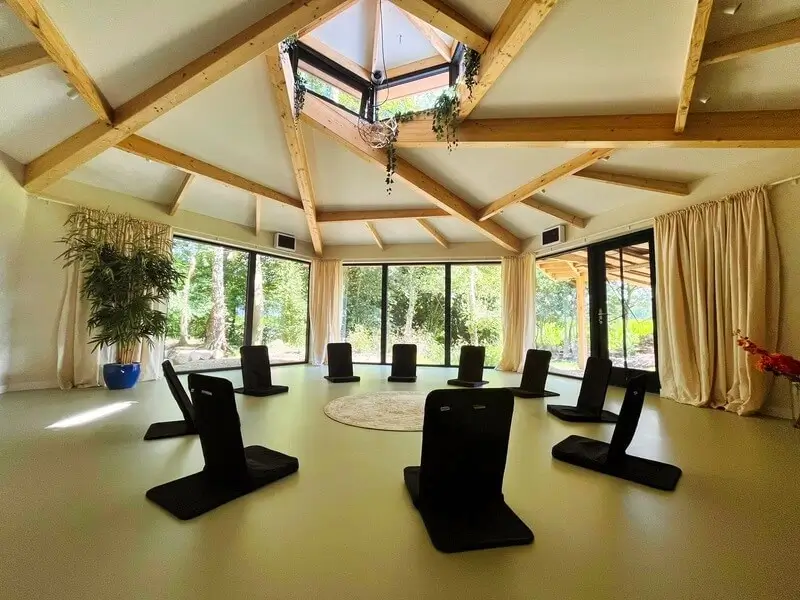
Psilocybin Retreat in the Netherlands
TAKE THE FIRST STEP
Get the monthly email with tools to help you live a more conscious life.
Just useful stuff – we promise!
Contact Us
Email: contact@consciousgrowth.eu
Legal Note
Taking psychedelic truffles in our retreats is subject to a registration process. Please consult the FAQs for a list of contraindications. Conscious Growth does not offer therapy or treatment for physical or mental health conditions during the retreats.
In accordance with Dutch law, we use exclusively psilocybin truffles that are legal across the country. You can read more about the legal aspect here.
APPLY for a Retreat
Book an Introductory Call
Our Retreats
Frequently Asked Questions
Resources
Terms and Conditions
Privacy Policy