
People often ask: “What if I have a bad trip?”
It is one of the most common fears surrounding psychedelics, and it’s understandable. These experiences can be intense, emotional, and deeply unfamiliar. But the truth is that most psychedelic experiences people label as “bad” are not harmful in themselves; they are challenging. And although challenging psychedelic experiences may feel overwhelming in the moment, they can hold some of the greatest potential for insight, release, and healing, especially when supported with care, preparation, and integration [2, 5].
Challenging moments have always been part of the psychedelic experience. From indigenous ceremonial settings to modern therapeutic environments, difficulty is not something to be avoided or an indication that something went wrong. Rather, it is often a sign that something meaningful is coming to the surface. Clinical guidelines emphasise that challenging experiences are normal and can be navigated safely with proper preparation and support (Johnson et al., 2008). In these cases, even the most confronting experiences can become catalysts for deep personal transformation.
Why Challenging Experiences Happen
Psychedelics open the door to parts of ourselves we do not usually access. This can include beauty, insight, and connection. However, it can also include the emotions, memories, or relational patterns we have pushed aside or found difficult to face.
There are several reasons challenging experiences arise. One reason is that suppressed emotions or trauma come to the surface. Psychedelics temporarily reduce defensive psychological processes, allowing unconscious material to emerge [1]. This may include fear, grief, shame, or unresolved trauma. While this can feel overwhelming, it is also an opportunity to confront and process what has been held inside. You can learn more about psychedelics and trauma in the fifth video of this series.
Another reason is the ego’s natural resistance to change. Psychedelics can soften the sense of control that the ego usually maintains. When this happens, resistance may appear as fear, confusion, or the sense that things are “falling apart”. This resistance is not a sign of danger but a natural psychological response to something unfamiliar. Stanislav Grof [4] notes that such moments can reflect deep internal reorganisation rather than pathological states.
Many difficult experiences arise because someone is unprepared, unsupported, or in a space that does not feel safe. The setting, including the people present, greatly influences how the experience will unfold [3].
Intensity does not automatically mean something harmful is happening. Sometimes, powerful experiences simply reflect the depth of the internal process that is unfolding.
Understanding why challenging experiences happen helps reduce fear and supports a more grounded, compassionate approach to the journey.
Bad versus Challenging: Understanding the Difference
It is important to distinguish between a truly “bad” experience and a challenging one.
A bad trip becomes genuinely harmful when the person is unsafe: physically, emotionally, psychologically, or spiritually. This often includes panic, extreme confusion, or a sense of losing contact with reality. These experiences are much more likely in environments that lack preparation, support, or skilled facilitation [3]. You can learn more about how to prepare for a psychedelic experience in our second video of this series.
A psychedelic challenging experience, on the other hand, might involve fear, grief, disorientation, or emotional intensity. But when one is held in a safe, caring environment, such a challenging experience can become deeply transformative. People often describe these moments as breakthroughs rather than breakdowns, a finding supported by survey data showing long-term personal value from even the most difficult experiences [2].
The difference is not defined by how the experience feels in the moment, but by the context. Is the person supported? Safe? Able to surrender to the process?
With the right setting, challenge becomes meaningful growth rather than distress.
How to Navigate Difficult Moments During a Psychedelic Experience
If you find yourself moving through a difficult emotional landscape, there are simple tools that help bring stability and trust back into the experience.
- Return to your breath. Slow, steady breathing helps regulate the nervous system. Even a few intentional breaths can shift your whole experience.
- Feel your body and your physical surroundings. Notice the ground beneath you, the cushion or mattress you’re resting on, or the sensation of your hands. This helps orient you in the present moment.
- Remember that the experience is temporary. Psychedelic states continually shift. No matter how intense something feels, it will change. Reminding yourself that “this will pass” helps you stay grounded.
- Trust the support around you. A skilled guide or facilitator can offer reassurance, grounding, and emotional containment. Sometimes the most healing step is simply allowing yourself to be supported, or asking for it.
- When possible, let go. Fighting the experience often intensifies fear. Softening into what’s happening, even if it’s uncomfortable, allows the process to unfold more naturally and often more gently.
These approaches help transform difficult moments into opportunities for growth and transformation rather than episodes of panic or resistance.
Common Themes in Challenging Psychedelic Experiences: Meeting the Shadow
Many challenging psychedelic experiences follow similar themes. These themes are well-known both in modern clinical research and in indigenous ceremonial settings, and can include:
- The sensation of death and rebirth
- Feelings of shame or guilt
- Intense fear or panic
- Grief or emotional release
- Childhood or earlier-life memories
- Confrontations with aspects of oneself that feel uncomfortable
In Jungian psychology, this territory is often described as meeting the shadow: the hidden or neglected parts of ourselves that we have disowned or pushed away. Encountering the shadow can be confronting, but it is also profoundly meaningful. These moments allow us to reintegrate parts of ourselves that longed to be seen, understood, or healed.
In this way, even the darkest or most confusing experiences can be ones that change us most deeply. They reveal truths we were not ready to acknowledge before, and once integrated, they can lead us to more clarity, inner strength, and emotional freedom.
After the Journey: How to Process and Transform Challenging Experiences
Challenging experiences do not end when the psychedelic effect wears off. What happens after the journey is just as important – sometimes even more so.
Integration: Making Meaning Out of the Experience
Integration helps you understand what happened and turn the challenging psychedelic experience into long-term growth rather than confusion. Helpful tools include journaling, creative expression, gentle movement or meditation, talking with trusted peers, and therapy or professional support.
Watching for Lingering Overwhelm
It is normal to feel sensitive, open, or emotional in the days after a difficult psychedelic journey. But if the overwhelm persists or feels unmanageable, it is important to reach out for support to prevent retraumatisation [1].
Allowing the Process to Unfold Over Time
Deep material often takes weeks or months to fully integrate. It is not a race. Small steps, patience, and kindness towards yourself are essential.
When challenging experiences are supported through integration, they often reveal themselves not as crises, but as turning points: moments when something deep finally had the space to move and transform.
You can learn more about psychedelic integration in the third video of this series.
The Transformative Potential of Challenge
The paradox is that the experiences that feel most frightening or disorienting in the moment can become the most meaningful in the long run. They invite honesty, courage, and openness. But for this potential to unfold, people need proper preparation, a safe setting, and skilled support. With the right care and integration, challenging psychedelic experiences can become the doorway to clarity and profound healing.
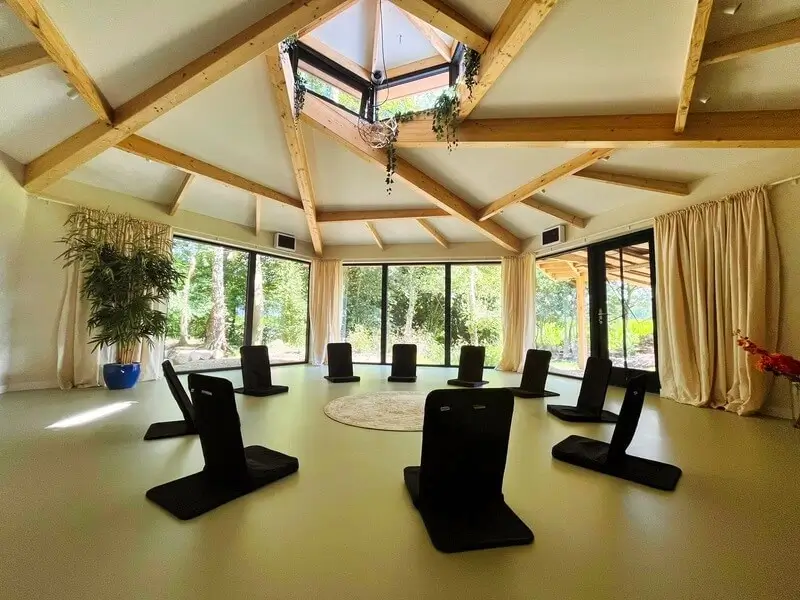
Psilocybin Retreat in the Netherlands
TAKE THE FIRST STEP
Get the monthly email with tools to help you live a more conscious life.
Just useful stuff – we promise!
Contact Us
Email: contact@consciousgrowth.eu
Legal Note
Taking psychedelic truffles in our retreats is subject to a registration process. Please consult the FAQs for a list of contraindications. Conscious Growth does not offer therapy or treatment for physical or mental health conditions during the retreats.
In accordance with Dutch law, we use exclusively psilocybin truffles that are legal across the country. You can read more about the legal aspect here.
APPLY for a Retreat
Book an Introductory Call
Our Retreats
Frequently Asked Questions
Resources
Terms and Conditions
Privacy Policy